The Aesthetic of the Unconscious: Why Beauty Matters in Therapy
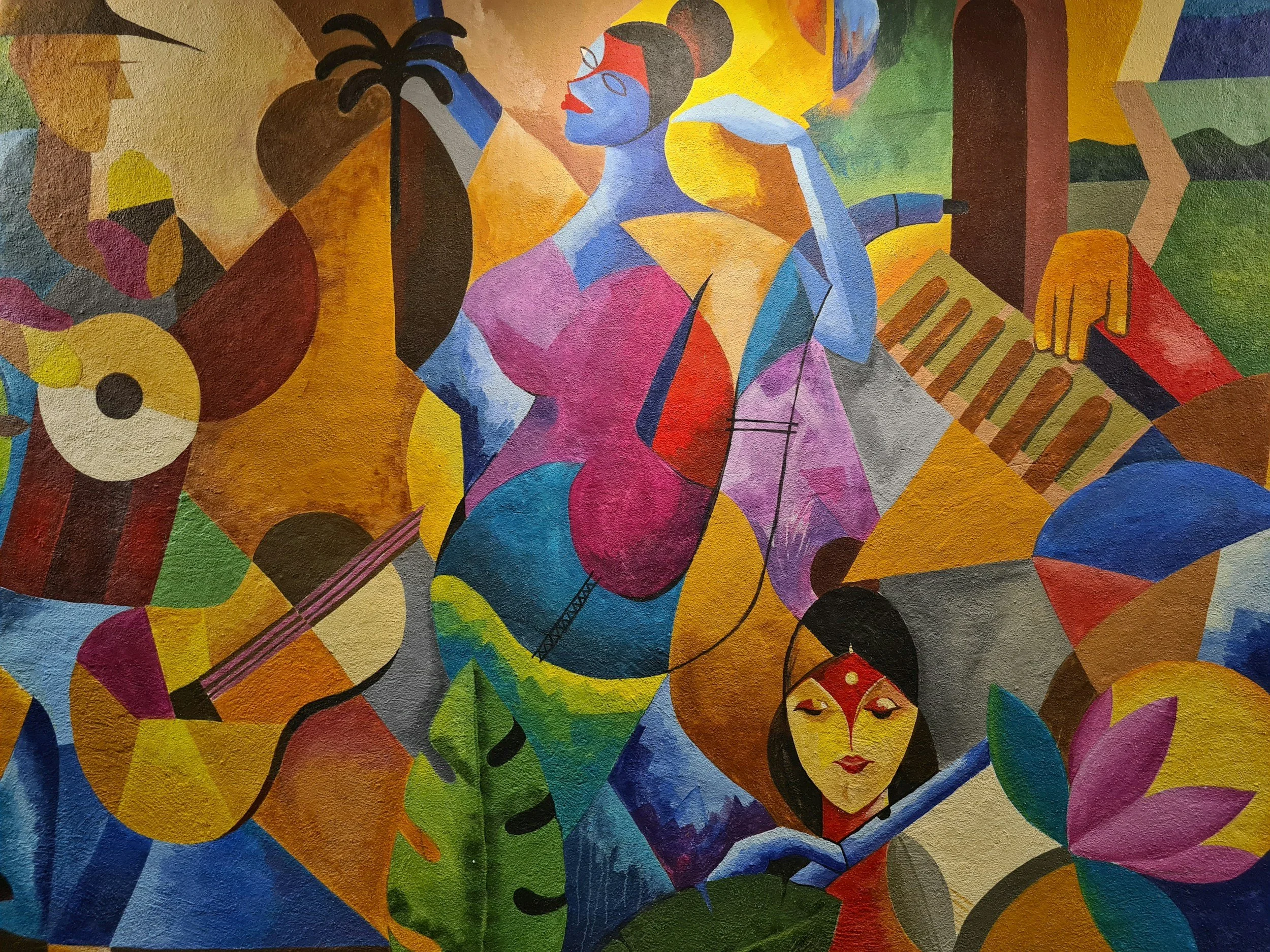
Psychoanalysis is often misunderstood as sterile or overly intellectual, but in truth, it’s deeply aesthetic. Not aesthetic in the sense of decoration, but in the way it honors complexity, depth, and emotional nuance. It’s about listening for rhythm, metaphor, and meaning—the same way one might experience a poem or a painting.
In the analytic space, silence matters. Symbols carry weight. The unconscious speaks in fragments, images, dreams, and gestures. And when we attend to that language—when we give it room to unfold—we often find something beautiful beneath the surface.
A beautiful session is not a tidy one. It might be raw, messy, unfinished. But it’s one where something real is touched, where something previously unspoken is given form.
This aesthetic dimension is not just theoretical. It has real consequences. When clients feel deeply seen—not just for what they say, but how they feel—it fosters healing, integration, and deeper self-understanding.
If you're drawn to depth, art, and emotional richness, psychoanalytic therapy may feel like a familiar kind of language. One that welcomes your whole self—even the parts that don’t yet have words.